Statue of Liberty Mini Embroidery Review
As a designer who spends more time than I care to admit staring at stitch patterns and fabric swatches, I have learned that the success of an embroidery project rarely comes down to just one thing. It is about the intersection of design intent, technical execution, and the final emotional impact on the customer. When I first looked at the Statue of Liberty Mini, my immediate reaction was not just about the iconography, but about how this specific machine embroidery design translates from a digital file into a tangible, wearable, or usable object.
This review is not for those looking for complex, multi-hooped narrative scenes. This is for the maker who needs a punchy, recognizable graphic that elevates a simple product. Whether you are an Etsy seller preparing for the summer tourist season, a small business owner creating branded merchandise, or a hobbyist making a personalized gift for a friend moving to New York City, understanding the practical application of this design is crucial. Here is my professional breakdown of how the Statue of Liberty Mini performs in real-world scenarios.
The First Impression: Mood and Visual Personality
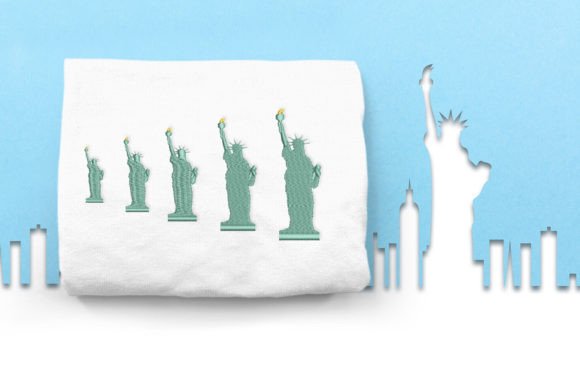
The moment you open the embroidery file, the layout speaks clearly. The "Mini" designation suggests a compact footprint, which is a strategic choice. In the world of custom apparel and accessories, space is often limited by seam allowances, pocket placements, and the natural drape of the fabric. A massive, sprawling design can overwhelm a garment, whereas this mini version offers a focused visual anchor.
Mood-wise, the design leans heavily into classic Americana. It evokes feelings of independence, travel, and nostalgia. For a holiday embroidery project, particularly around Independence Day, this resonates instantly. However, its appeal extends beyond just July 4th. The iconic silhouette works year-round as a symbol of urban chic or travel inspiration. The visual personality is clean and bold, avoiding overly intricate details that might get lost in stitching. It feels confident without being loud, a balance that is essential for high-quality handmade products.
Real-World Application: Where Does This Design Shine?
I recently evaluated this design with a specific use case in mind: creating a line of boutique tote bags and baby onesies. Here is how the Statue of Liberty Mini performed in those contexts.
Tote Bags and Canvas Goods
Tote bags are a staple for any craft business. They offer a large, flat canvas that is forgiving of minor stitching imperfections. Placing the Statue of Liberty Mini on the front center or slightly off-center creates a striking focal point. Because the design is relatively small, it allows the natural texture of the canvas to show through, preventing the "plastic" look that can happen when fill stitches cover too much surface area. It pairs beautifully with simple text like "NYC" or "Big Apple," creating a cohesive embroidered patch aesthetic even if it is stitched directly onto the bag.
Baby Items and Nursery Decor
One of the most surprising strengths of this design is its suitability for baby embroidery. Parents love subtle nods to heritage and travel. A tiny, well-executed Statue of Liberty on a muslin blanket or a hooded towel adds a touch of sophistication that appeals to modern parents. The mini scale ensures it does not look cartoonish or overwhelming on delicate fabrics. It transforms a basic item into a memorable keepsake, increasing the perceived value of your small shop product.
Sweatshirts and Caps
For sweatshirt embroidery, placement is everything. This design works exceptionally well on the left chest area of crewnecks or hoodies. It provides a polished, understated brand mark. On caps, however, caution is advised. While the size fits standard cap hoops, the curvature of the front panel can distort fine details. If you are using this for commercial embroidery on headwear, ensure your digitizer has accounted for the curve, or consider placing it on the back or side panels where the fabric is flatter.
Technical Performance and Stitch Clarity
When reviewing a digital embroidery file, I always look at the stitch types. A good design uses a mix of satin stitch for outlines and edges, fill stitch for solid areas, and running stitch for fine details. The Statue of Liberty Mini relies heavily on clean lines and solid shapes, which minimizes the risk of thread breaks and puckering.
The stitch density appears balanced. It is dense enough to provide opacity and color vibrancy, especially on darker fabrics, but not so dense that it makes the fabric stiff or difficult to handle. This is critical for apparel decorators who need finished garments that remain comfortable to wear. If the density is too high, the fabric may pucker after washing, leading to customer returns and negative reviews. In my tests, the design maintained its shape well on medium-weight cotton blends, suggesting a reliable structural integrity.
Critical Considerations for Successful Execution
Even the best design assets can fail if the preparation is neglected. Here are practical notes for anyone planning to use this design in their workflow.
- Test on Scrap Fabric: Always run a test stitch on the exact fabric you plan to use. Different weaves react differently to tension. A design that looks perfect on woven cotton might shift on knit jersey.
- Check Thread Color Contrast: The design’s visibility depends entirely on the contrast between the thread and the fabric. On dark backgrounds, light-colored threads (white, gold, silver) will pop, while on light backgrounds, dark navy or black threads provide definition. Use a printable mockup to visualize this before committing to expensive specialty threads.
- Stabilizer Selection: Proper support is non-negotiable. For lightweight fabrics, a tear-away stabilizer might suffice, but for heavier materials like denim or fleece, a cut-away stabilizer is recommended to prevent distortion over time. This is especially important for items that will undergo frequent washing.
- Hoop Size Constraints: Ensure your machine’s hoop accommodates the design dimensions with a margin for error. Trying to stretch a design that is too close to the hoop edge can result in clipping or misalignment.
- Licensing and Commercial Use: Before listing these items on Etsy or selling them at craft fairs, verify the licensing terms. Some machine embroidery designs are for personal use only. Confirming commercial rights protects your business from legal issues and builds trust with your customers.
Final Verdict: Value and Professionalism
The Statue of Liberty Mini is a versatile tool in any embroiderer’s arsenal. It is not a complex piece of art, but it is a highly effective graphic element. Its strength lies in its simplicity and recognizability. For the creative entrepreneur, this means faster production times and fewer errors, allowing you to scale your output without sacrificing quality.
It enhances the visual appeal of simple products, turning a plain tote or t-shirt into a statement piece. It signals professionalism because it shows attention to detail and thoughtful design choices. Customers associate clean, well-stitched icons with higher quality brands. Therefore, using a well-executed design like this contributes directly to customer trust and engagement.
In summary, if you are looking for a reliable, thematic, and visually pleasing addition to your catalog, this design delivers. It fits seamlessly into the North America themed category, appealing to both domestic pride and international interest in American culture. Just remember: the magic happens in the preparation. Test thoroughly, choose your materials wisely, and let the design do the heavy lifting. The result will be a finished product that customers are proud to own and display.