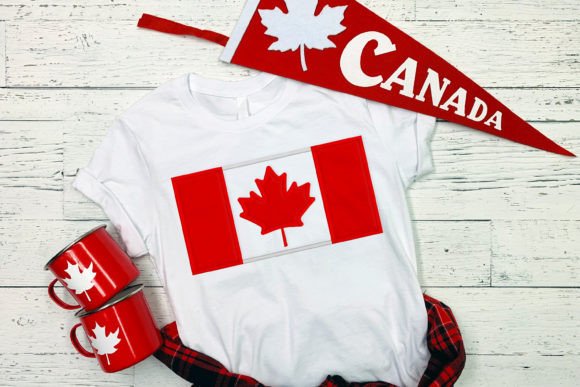
Canadian Flag Applique Embroidery
Walking up to a craft fair booth on a Saturday morning, you have about three seconds to grab attention. The light is bright, the crowd is moving fast, and your competition is loud. As an embroidery designer who has spent years turning digital files into tangible goods, I know that Canadian Flag Applique Embroidery is not just a design; it is a strategic product choice for patriotic seasons. When reviewing this specific file for potential market products, we look beyond the image itself. We ask: Does it translate well to fabric? Is it practical for batch production? And most importantly, will it stop a browser in their tracks?
First Impressions and Visual Impact
The first thing you notice with this design is its versatility. Unlike standard machine embroidery which relies entirely on thread texture, the applique technique adds dimension. This creates a tactile quality that customers love. The maple leaf edge may vary slightly between sizes, which actually works in our favor. It gives the piece a slightly organic, handcrafted feel rather than a rigid, industrial look. This subtle variation suggests authenticity, a key selling point for handmade product buyers.
In terms of aesthetic mood, this design strikes a balance between festive and premium. It is bold enough to be seen from across a table but refined enough to sit on a kitchen counter without looking like a cheap souvenir. For Etsy seller listings, this visual appeal translates directly into higher click-through rates. The red and white color scheme is instantly recognizable, triggering an emotional response of national pride or seasonal celebration (think Canada Day or autumn harvest themes). It feels decorative yet functional, making it suitable for both casual gifters and serious collectors of home decor.
Product Performance Across Categories
When evaluating where Canadian Flag Applique Embroidery stands out, we must look at the specific applications. Not all embroidery files work equally well on every surface. Here is how this design performs on key craft fair product categories:
- Tote Bags and Market Bags: A classic pairing. The applique technique holds up beautifully on canvas or cotton duck tote bags. Because the design often shifts to pure embroidery at the smallest sizes, you can offer a range of bag sizes, from small cosmetic pouches to large grocery totes. The contrast of the smooth applique against the textured fabric of a tote bag draws the eye immediately.
- Aprons and Tea Towels: These are high-volume items. On a linen tea towel, the applique adds a luxurious touch that plain stitching cannot achieve. However, be mindful of fabric texture. Highly textured towels might obscure the finer details of the applique edges. For aprons, this design serves as a perfect focal point on the bib or pocket area, elevating a simple garment into a specialized kitchen towel embroidery or cooking accessory.
- Caps and Hats: Curved surfaces present a challenge. While the design is versatile, ensure the hoop size accommodates the curve of the cap front. If the design is too wide, it may pucker. Smaller versions of this tote bag design concept work best here, acting as a subtle accent rather than a massive graphic.
- Patches and Pouches: An embroidered patch version of this flag is incredibly popular for jackets and backpacks. The applique method allows for clean, sharp edges that look professional when ironed or sewn on. Small fabric pouches featuring this design make excellent low-cost impulse buys at the bottom of a craft fair display.
Production Practicality and Batch Selling
For any small shop product line, efficiency is money. One of the strongest advantages of this machine embroidery design is its repeatability. Applique designs generally run faster than dense fill stitches because they use fewer threads overall. This means you can produce more units per hour, increasing your profit margin.
Photography for online listings is also simplified. The flat nature of applique catches light evenly, reducing harsh shadows that can distort the colors in photos. This makes creating a printable mockup easier and ensures that what the customer sees online matches the physical item. The design photographs well as a standalone hero image or as part of a lifestyle scene, such as a flag-adorned apron next to fresh produce.
Technical Considerations and Careful Use Notes
Even the best digital embroidery file requires careful execution. As a reviewer, I must highlight several technical constraints to ensure your finished product looks professional.
- Stitch Density and Clarity: Check the stitch density closely. At the two smallest sizes, the maple leaf becomes embroidery instead of applique. Dense embroidery on small scales can sometimes lead to puckering or loss of detail if the fabric is too thin. Always test these smaller iterations to ensure the leaf shape remains distinct.
- Fabric Compatibility: Avoid using this design on highly stretchy or slippery fabrics without proper stabilization. The weight of the applique fabric pieces can pull on delicate materials. Use a cut-away stabilizer for heavier items like denim toppers and a tear-away for stable wovens like cotton tea towels.
- Thread Contrast: The success of this design hinges on the contrast between the applique fabric and the topstitching thread. Ensure your thread colors are chosen carefully. A mismatched thread can make the edges look messy. White thread on red fabric, or red thread on white fabric, provides the crispest finish.
- Dark Fabrics: If you plan to embroider this on dark-colored caps or shirts, you will likely need a water-soluble or cut-away backing to prevent show-through. The red and white elements may lose their vibrancy on navy blue unless underlaid correctly.
Designer’s Checklist for Production
Before committing to a full run of commercial embroidery items, follow these steps to protect your brand reputation:
- Test on Scrap Fabric: Never skip this step. Run the design on the exact fabric you intend to sell. Check for hoop burn, tension issues, and how the applique fabric frays.
- Confirm Hoop Size: Verify that the largest size of the design assets fits comfortably within your machine’s maximum hoop dimensions, leaving room for branding or additional text if desired.
- Review Spacing: Ensure there is adequate space between the leaf and the flag borders so that the cutting process for the applique does not result in tiny, fragile pieces that might detach during washing.
- Commercial Licensing: Finally, confirm your commercial licensing rights. Owning the embroidery file does not always grant the right to sell finished goods. Check the license terms to ensure you are compliant when listing on platforms like Etsy or selling at markets.
In conclusion, Canadian Flag Applique Embroidery is a robust, visually striking option for makers looking to capitalize on patriotic holidays or everyday Canadian pride. Its blend of dimensional appeal and production efficiency makes it a standout choice for creative entrepreneurs aiming to build a cohesive and profitable handmade brand. By paying attention to fabric choices and technical execution, you can turn this simple design into a best-selling handmade product that resonates with customers.