Starfish Mini Embroidery Review
When I evaluate a new machine embroidery design, I am rarely looking for just another decorative element. I am looking for versatility, stitch integrity, and the ability to elevate a simple product into something that feels curated and professional. Recently, I pulled the Starfish Mini Embroidery file from my library to test its viability for upcoming summer collections and personalized gift orders. After running several iterations on different fabrics and hoop sizes, I have formed a clear opinion on where this design fits in a serious maker’s workflow.
The First Impression: Mood and Visual Personality
At first glance, the Starfish Mini Embroidery exudes a relaxed, coastal energy without being overly literal or kitschy. The shape is clean, and the layout suggests a design that respects negative space—a critical factor when working with small hooping areas. For designers who specialize in custom apparel or boutique branding, this distinction matters. It does not scream for attention; rather, it offers a subtle accent that complements other elements, such as typography or larger graphic motifs.
The visual personality of this design leans toward minimalist beach aesthetics. It works beautifully in contexts where you want to evoke the feeling of a seaside vacation without using cliché imagery like waves or anchors. This makes it an excellent candidate for nursery decor, kitchen towels, or understated accessories. The design feels balanced, suggesting that the digitizer paid close attention to how the eye moves across the form, which is essential for maintaining high perceived value in your finished product.
Real-World Application: From Scrap to Shelf
To truly understand the utility of any embroidery file, you must put it through the wringer. My primary use case for testing was a line of custom canvas tote bags intended for an upcoming craft fair. I selected the 1.5-inch size for placement near the handle attachment point and the 3-inch size for center chest placement on lightweight cotton tees.
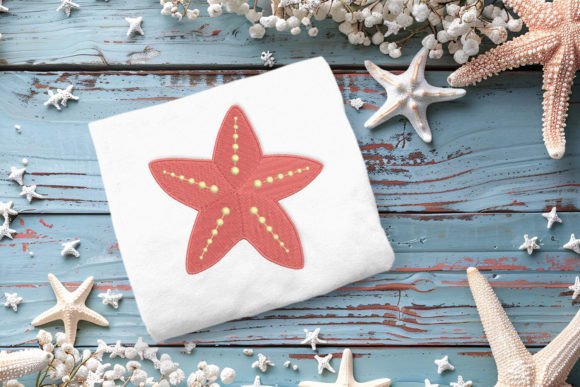
In the context of a tote bag design, the Starfish Mini Embroidery performed admirably. The stitch density was sufficient to hold its shape against the coarse weave of the canvas but not so dense that it caused puckering. When paired with a contrasting thread color, such as a crisp white or a sandy beige, the design popped without overwhelming the fabric texture. This level of clarity is vital for Etsy sellers and small shop owners who rely on sharp, high-resolution mockups to attract buyers. A blurry or poorly stitched detail can instantly erode customer trust, whereas a clean execution signals professionalism.
I also tested this design on sweatshirt material for potential holiday gifts. Here, the mood shifted slightly. The starfish took on a cozy, winter-cabin vibe rather than a summer-beach feel, demonstrating the design’s adaptability. However, on thicker fabrics, I noticed that the smaller sizes (1.5 and 2 inches) required careful tension adjustment to ensure the satin stitch edges remained smooth and did not dig into the fleece-like surface.
Technical Performance and Stitch Clarity
From a technical standpoint, the inclusion of multiple sizes in the zip file is a significant advantage. Having options ranging from 1.5 to 3 inches allows for strategic placement planning. You are not forced to stretch a large design onto a tiny item, nor do you have to waste valuable real estate with a tiny motif on a large garment. This flexibility supports better design assets management and helps maintain brand consistency across diverse product lines.
The stitch types appear well-optimized. There is a healthy mix of what looks like fill stitch for the body and precise satin stitch outlining. This combination ensures durability, especially for items that will undergo frequent washing, such as aprons or baby clothes. However, because the design includes fine details, particularly in the arms of the starfish, it is crucial to inspect these areas closely after stitching. On textured fabrics, these fine points can sometimes get lost or look jagged if the fabric shifts during the process.
Where Caution Is Required
While the Starfish Mini Embroidery is versatile, it is not a one-size-fits-all solution. There are specific scenarios where this design may struggle:
- Stretchy Fabrics: If you are embroidering on jersey knits or spandex blends, the inherent stability of the design might cause distortion unless a heavy-duty cut-away stabilizer is used. The risk here is that the hoop size constraints of a mini design might not provide enough support area for delicate, stretch-prone materials.
- Dense Stitch Areas: While generally efficient, the central part of the starfish has a concentration of stitches. On thin fabrics, this could lead to transparency issues or stiffness that affects the drape of the garment. Always test on scrap fabric first to gauge the hand-feel of the finished area.
- Curved Surfaces: Attempting to place this on a curved surface like a baseball cap requires precision. The flat geometry of the starfish might look distorted if the fabric tension varies across the curve. It is best suited for flat panels or structured patches rather than highly contoured hats.
- Dark Fabric Contrast: If you plan to use dark threads on dark fabric, the definition of the starfish will diminish significantly. The design relies on contrast to define its shape. For dark backgrounds, light-colored threads are almost mandatory to preserve the visual appeal and recognition of the motif.
Impact on Product Value and Branding
Using a well-executed design like this directly influences the perceived value of your handmade product. Customers often judge the quality of a handmade item by the neatness of the stitching and the appropriateness of the design scale. A mini embroidery that is too small can look accidental or cheap, while one that is perfectly proportioned looks intentional and premium.
For commercial embroidery projects, this design serves as a strong secondary element. It pairs exceptionally well with text-based designs, allowing you to create layered compositions that tell a story. For example, a simple phrase like "Coastal Living" accompanied by the Starfish Mini Embroidery creates a cohesive narrative that resonates with target audiences. This storytelling aspect boosts buyer engagement and can justify higher price points in your craft business.
Practical Designer Notes Before You Stitch
Before integrating this file into your production pipeline, consider the following checklist to ensure success:
- Test on Scrap Fabric: Never run a new design directly onto a final product. Test the thread colors and stitch density on a swatch of the actual fabric you intend to use.
- Check Licensing: Confirm whether the digital embroidery file license permits commercial use for finished goods. This is non-negotiable for Etsy sellers and boutique owners.
- Review Stabilizer Needs: Depending on your fabric weight, you may need to adjust your stabilizer choice. Light fabrics often require tear-away stabilizers, while heavier items might benefit from wash-away options for a cleaner finish.
- Inspect Small Details: Zoom in on the digital preview. Ensure that the smallest arms of the starfish are not so thin that they will break or pucker during high-speed stitching.
- Compare Backgrounds: Create black-and-white mockups to check contrast levels. This helps you decide if the design will stand out adequately on your chosen color palette.
In conclusion, the Starfish Mini Embroidery is a solid addition to any designer’s toolkit. It offers the right balance of aesthetic charm and technical feasibility for a wide range of projects, from personalized gifts to small business merchandise. By paying attention to fabric selection, stabilizer usage, and placement strategy, you can leverage this design to create products that feel both professional and deeply personal. It is a reliable workhorse for anyone looking to add a touch of coastal elegance to their embroidery project repertoire.