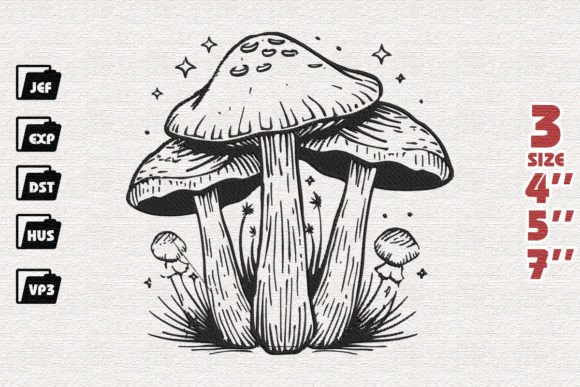
Cute Mushroom Embroidery Design Review
As a designer who spends more time staring at stitch patterns than actual mushrooms, I approach every new machine embroidery design with a mix of skepticism and hope. We have all seen designs that look charming on screen but turn into muddy blobs once the needle starts moving. That is why I decided to put this Cute Mushroom design through its paces. It falls squarely into the Forest category, which usually implies whimsy, nature, and soft aesthetics. But does it hold up in a real-world production environment? Can an Etsy seller or small business owner actually make money with this, or is it just another pretty picture that fails when stitched?
First Impressions: Mood and Visual Personality
The first thing you notice about the Cute Mushroom is its immediate charm. It exudes a cozy, cottage-core vibe that resonates strongly with current trends in handmade goods. The shape is rounded and inviting, avoiding the sharp angles that can sometimes look aggressive or dated in modern apparel. When I looked at the layout, it felt balanced—neither too sparse nor overly cluttered. This balance is crucial because it allows the design to breathe, giving the eye a place to rest.
In terms of visual personality, this design feels friendly and accessible. It is not trying to be high fashion or avant-garde; instead, it aims for warmth and nostalgia. For a handmade product intended as a personalized gift, this emotional connection is vital. Customers do not just buy an embroidered item; they buy the feeling it gives them. A mushroom motif often signals a love for nature, quiet moments, and perhaps a touch of magic. By choosing this specific design, you are tapping into a demographic that values comfort and aesthetic softness.
Real-World Application: From Screen to Stitch
Let us move past the theory and talk about practical use. I imagined several scenarios where this embroidery file would shine. First, consider a custom tote bag design. Placing the Cute Mushroom on a canvas tote creates an instant statement piece. The contrast between the sturdy fabric and the delicate stitching adds texture and depth. It works particularly well if you pair it with earth-tone threads, enhancing the natural theme.
Another strong candidate is sweatshirt embroidery. Think of a cream or oatmeal-colored hoodie with the mushroom centered on the chest or slightly off-center on the pocket area. This placement feels casual yet curated. For baby items, such as onesies or burp cloths, the design’s simplicity ensures it remains age-appropriate without being overly childish. It strikes a perfect middle ground that appeals to parents looking for unique, non-generic gifts.
I also envision this design thriving in home decor. A pillow cover featuring the Cute Mushroom could anchor a nursery or a reading nook. The versatility mentioned in the product description holds true here. Whether framed as artwork or stitched onto a kitchen towel, the design adapts well. However, the success of these applications depends heavily on how the design handles different materials. For instance, on a textured linen apron, the stitches need to stand out clearly against the weave. If the design relies too much on fine detail, it might get lost in the fabric’s pattern.
Technical Performance and Stitch Clarity
When evaluating any digital embroidery file, I always look at the stitch density and the variety of stitches used. A good design should not feel heavy or stiff after stitching. The Cute Mushroom appears to utilize a healthy mix of satin stitch for outlines and fill stitch for the body, which provides a smooth, polished finish. There is likely some running stitch detail for stems or accents, adding a handcrafted feel.
One critical aspect is how the design performs on dark fabrics. Mushrooms are often depicted in light colors, so placing a white or pastel design on black fabric requires excellent thread contrast. If the thread colors chosen do not pop, the design will look flat. I recommend testing this on scrap fabric before committing to expensive materials. Additionally, check the hoop size requirements. If the design is large, ensure your machine can handle it without frequent re-hooping, which can lead to misalignment.
For those creating an embroidered patch, the stability of the edges is key. The Cute Mushroom seems to have clean lines that would cut well, reducing fraying. However, if you plan to sell these as commercial embroidery items, verify that the design includes a proper border or backing stabilizer recommendation to prevent puckering during wear and washing.
Where to Exercise Caution
No design is perfect for every surface. Here are areas where the Cute Mushroom might struggle:
- Small Hoop Sizes: If the design exceeds your machine’s hoop capacity, you may face alignment issues or truncated details.
- Stretchy Fabrics: Knits and jerseys require extra care. Without proper stabilizer, the stitch density can distort the fabric, causing the mushroom to look wavy or warped.
- Curved Surfaces: Caps and hats present challenges due to their curvature. While possible, it requires precise positioning and possibly a curved hoop attachment to keep the design flat and readable.
- Thin or Delicate Fabrics: On silk or thin cotton, dense stitches can create holes or visible distortion on the reverse side. Always test on scraps first.
Impact on Product Value and Branding
Using a well-executed design like this can significantly boost your craft business credibility. High-quality embroidery signals professionalism and attention to detail. When customers see a crisp, clear Cute Mushroom on a finished product, they perceive higher value. This perception translates to better sales and fewer returns due to dissatisfaction with quality.
For Etsy sellers and small shop owners, consistency is king. If you build a brand around forest themes, whimsical animals, or cozy aesthetics, this design fits seamlessly into your collection. It enhances brand consistency and makes your shop look cohesive. Furthermore, including printable mockups of this design in your listings can help potential buyers visualize the final product, increasing conversion rates.
Practical Designer Notes for Success
To get the best results from the Cute Mushroom design, follow these practical steps:
- Test on Scrap Fabric: Never skip this step. It helps you identify tension issues, color clashes, or stabilizer needs.
- Check Thread Contrast: Ensure the thread stands out against your chosen fabric. Light threads on dark fabric, or vice versa, usually work best for clarity.
- Review Stitch Density: If the design feels too dense, consider adjusting the scale slightly to reduce bulk.
- Confirm Licensing: Before selling finished items or digital assets, double-check the license terms. Some designs are for personal use only.
- Use Proper Stabilizer: Match the stabilizer to the fabric weight. Cut-away stabilizers are generally safer for garments that will be washed frequently.
- Inspect Small Details: Zoom in on the digital file. Are there tiny elements that might not stitch cleanly? Simplify if necessary.
In conclusion, the Cute Mushroom is a versatile, charming addition to any designer’s library. It offers strong potential for custom apparel, home decor, and gift items. By paying attention to fabric choice, stabilizer use, and thread selection, you can transform this simple design into a professional, market-ready product. It is a solid choice for anyone looking to add a touch of whimsy and quality to their embroidery projects.