Cute Sloth Loves Watermelon Embroidery Design Review
As an embroidery designer who has spent years refining digital files for small businesses and Etsy sellers, I approach every new machine embroidery design with a mix of excitement and skepticism. We all know that a file can look perfect on the screen but fail miserably in the hoop. That is why I decided to put the Cute Sloth Loves Watermelon design through its paces. My goal was to determine if this file truly deserves a spot in a curated collection of personalized gift products or if it belongs in the "maybe later" folder.
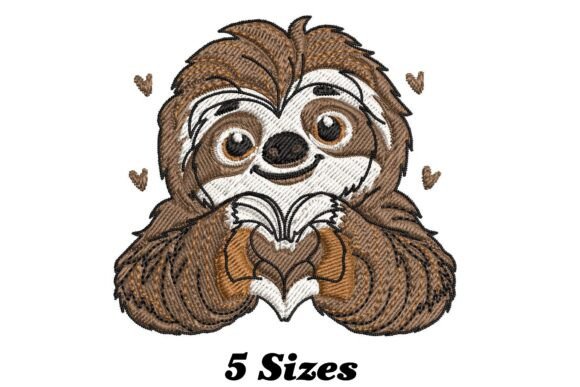
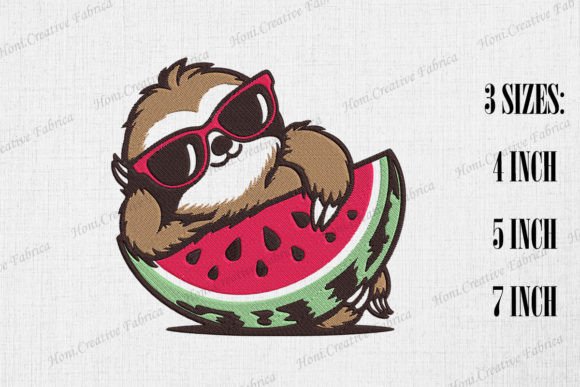
The premise is simple yet effective: a charming sloth enjoying a slice of watermelon. For those running a shop focused on wild animals themes or general embroidery art, this design offers a unique blend of whimsy and seasonal appeal. But does it translate well to finished goods? Let’s dive into the practical details of using this design for real customer orders.
First Impressions and Emotional Appeal
When you first load the embroidery file, the immediate takeaway is its warmth. The design doesn’t scream for attention; instead, it invites a smile. This is crucial for the target audience of baby product creators and wedding gift designers. The mood is playful, sweet, and undeniably handmade. It feels modern enough for a trendy nursery but classic enough for a rustic kitchen towel.
The emotional connection here is strong. Sloths are associated with relaxation and gentleness, while watermelon evokes summer freshness and joy. Combining these elements creates a handmade product that feels thoughtful. Whether you are creating a custom order for a baby shower or a fun tote bag for a summer festival, the design carries a positive energy that customers love. It strikes a balance between cute and sophisticated, avoiding the overly childish aesthetic that can sometimes limit the resale value of a small shop product.
Best Applications for Personalized Gifts
Based on my testing, the Cute Sloth Loves Watermelon design shines brightest on specific types of merchandise. Here is where I recommend focusing your production efforts:
- Baby Embroidery Items: This design is perfect for baby’s onesies, burp cloths, and nursery decor. The soft curves and friendly character make it ideal for infants. When paired with light pastel fabrics, the thread colors pop beautifully, creating a high-perceived-value item for parents.
- Kitchen and Home Textiles: An embroidered towel featuring this motif adds a touch of humor and charm to any kitchen. It works exceptionally well as a housewarming gift or a bridal shower present. The design also translates well to pillow covers and tablecloths, adding a splash of color to dining areas.
- Custom Tote Bags and Aprons: For craft fair products or Etsy listings, canvas totes and denim aprons provide a sturdy base. The design holds up well on these thicker materials, especially when stitched with a slightly larger hoop size to allow for detail visibility.
- Wedding Keepsakes: Believe it or not, this design can work for casual weddings or destination beach weddings. Imagine a personalized guest book cover or a favor tag attached to a blanket embroidery piece. It breaks away from traditional floral motifs and offers a fresh, memorable option for couples.
Expanding Your Product Line
By incorporating this design, you can diversify your offerings. A digital seller might offer a printable mockup showing the sloth on various backgrounds to help buyers visualize the final result. For physical sellers, bundling the custom embroidery with matching fabric items can increase average order value. The versatility of the design allows it to fit into multiple categories, from baby embroidery to adult-focused home decor.
Where Caution Is Required
No design is without its challenges. While the Cute Sloth Loves Watermelon file is generally robust, there are specific scenarios where you need to exercise care to ensure a professional finish.
- Small Lettering and Delicate Details: If the design includes tiny text or intricate shading, test it carefully. On textured fabrics or thick towels, fine details can get lost or merge together. Always review the stitch density before committing to a large run.
- Stretchy Fabrics: When embroidering on stretchy baby clothes or jersey t-shirts, puckering can occur. Use a high-quality stabilizer and consider hooping techniques that minimize distortion. The weight of the thread in this design must be balanced against the elasticity of the fabric.
- Dark Fabric Challenges: Dark backgrounds require careful thread color selection. You may need a cut-away stabilizer and a backing layer to prevent show-through. Test contrast levels to ensure the white and bright colors of the watermelon stand out clearly against navy or black fabrics.
- Frequent Washing: For items like kitchen towels or baby blankets that will undergo frequent laundering, ensure the stitching is secure. Loose threads can snag, so trim carefully after stitching. The durability of the design depends heavily on proper finishing techniques.
Impact on Giftability and Perceived Value
In the world of online selling, photography and presentation are everything. A well-executed finished product elevates the perceived value of your brand. The Cute Sloth Loves Watermelon design is highly photogenic. Its vibrant colors and clear shapes photograph beautifully, which helps drive buyer engagement on platforms like Etsy.
Customers trust brands that deliver consistent quality. By ensuring your stitch density is appropriate and your stabilizer choices are correct, you build credibility. When a buyer receives a plush onesie or a crisp towel with this design intact and beautiful, they are more likely to leave a positive review and return for future purchases. The design fosters an emotional connection because it feels personal and thoughtful, rather than mass-produced.
Practical Embroidery Notes for Success
To get the best results from this digital embroidery file, follow these essential steps before starting your production line:
- Test on Scrap Fabric: Never skip this step. Test the design on the exact fabric type you plan to use. This reveals how the fabric texture interacts with the stitches.
- Check Thread Contrast: Ensure the thread colors chosen provide enough contrast against your base fabric. Low contrast can make the design look muddy.
- Confirm Hoop Size: Verify that your machine’s hoop size accommodates the design dimensions comfortably. If the design is large, you may need to reposition it during stitching.
- Review Stitch Density: High-density areas can cause stiffness. If the design feels too rigid, consider reducing density in editing software or choosing softer fabrics.
- Use Proper Stabilizer: Match your stabilizer to your fabric weight. Lightweight fabrics need delicate backing, while heavy towels require robust support.
- Compare Light and Dark Mockups: Create digital mockups to see how the design looks on different colorways. This helps in marketing and setting customer expectations.
- Check Small Details: Zoom in on the final stitch-out. Are the eyes distinct? Is the watermelon rind clear? Minor adjustments can make a big difference.
- Confirm Commercial Licensing: Before selling finished products, double-check the license terms of the Cute Sloth Loves Watermelon design. Ensure you have the right to sell physical items made from the file.
Ultimately, the Cute Sloth Loves Watermelon design is a valuable addition to any embroiderer’s library. It offers charm, versatility, and broad appeal. By paying attention to the technical details and choosing the right applications, you can create meaningful gifts that resonate with customers. Whether you are a seasoned pro or just starting out, this design provides a solid foundation for building a successful line of commercial embroidery products.