Quirky Cow Embroidery Design Review
As an experienced embroidery designer who has spent years refining digital files for commercial production, I approach every new machine embroidery design with a critical eye. My goal is never just to create something that looks good on a screen, but to ensure it translates flawlessly into a physical product that drives sales and builds brand loyalty. Today, I am reviewing the Quirky Cow file, a piece categorized under Farm Animals in the broader Embroidery niche. While the description suggests versatility for kitchen decor and wall art, my focus here is strictly on its viability for small business merchandise, branded patches, and custom apparel.
First Impressions: Visual Personality and Brand Fit
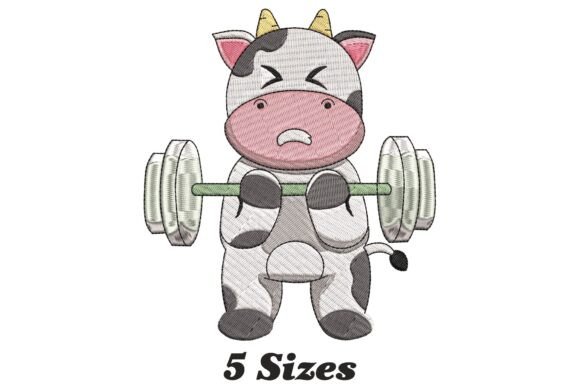
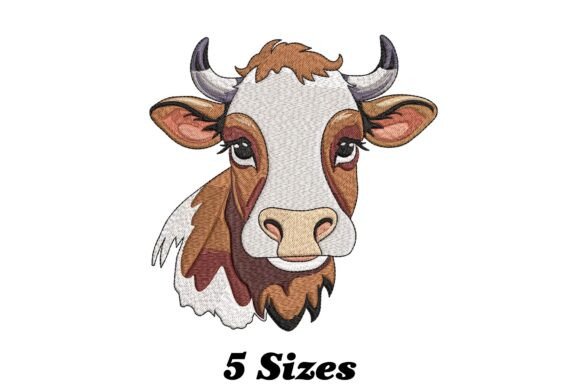
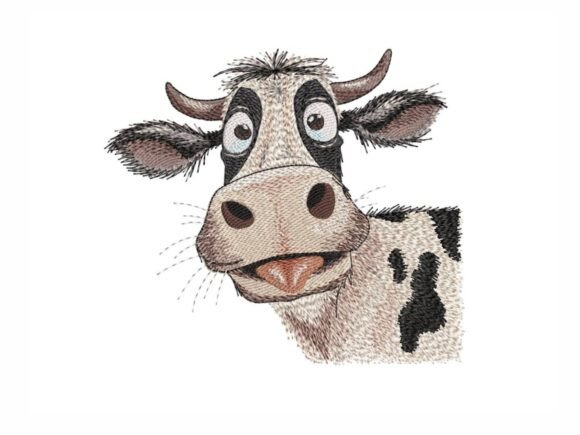
The title "Quirky Cow" immediately sets a specific tone. In the world of branding, personality is everything. This design does not scream corporate rigidity; instead, it offers a playful, rustic, and handmade aesthetic. When I first loaded the embroidery file, the immediate impression was one of approachability. It feels friendly and slightly whimsical, which makes it an excellent candidate for businesses that want to project warmth and authenticity.
For a boutique, a local café, or a handmade shop, this visual personality aligns perfectly with modern consumer desires. Customers today are drawn to brands that feel human and curated rather than mass-produced. The "quirky" nature of the cow suggests a brand that doesn’t take itself too seriously, yet still values quality. However, designers must be careful: while playful, the design must maintain enough structural integrity to look professional when stitched. If the lines are too thin or the negative space is too chaotic, the charm can quickly turn into clutter.
Real-World Business Applications
The true test of any digital embroidery file is its performance across various mediums. Based on the design’s characteristics, here is how Quirky Cow performs in real business scenarios:
- Embroidered Patches: This design has strong potential as a standalone patch. Its distinct shape allows it to be cut out and applied via iron-on or sewn onto denim jackets, beanies, or tote bags. As a badge of honor for staff or a premium add-on for customers, it adds immediate value.
- Apron Embroidery: For bakeries, florists, or craft studios, this design works beautifully on the chest pocket of a canvas apron. It signals craftsmanship without overwhelming the garment. The rustic vibe complements natural fabrics like cotton and linen.
- Cap Embroidery: Placing the cow on the front panel of a structured cap is a classic merch move. It creates instant recognition at trade shows or local markets. Just ensure the curvature of the cap is accounted for during digitizing to prevent distortion.
- Tote Bag Design: A simple placement on a heavy-duty canvas tote bag elevates a basic item into a branded asset. Shoppers carrying these bags become walking advertisements, making this a high-ROI application for small business owners.
- Staff Uniforms: For a creative studio or a pet brand, adding this to work shirts humanizes the uniform. It breaks down barriers between the employee and the customer, fostering a sense of community and trust.
Strategic Placement for Maximum Impact
When integrating Quirky Cow into your small business merch, consider the context. On a dark uniform, it might need a contrasting background or outline to pop. On light packaging accents, it serves as a subtle seal of quality. The key is consistency. If you use this design on your Etsy branding, ensure it appears in the same thread colors and relative scale across all touchpoints—from social media graphics to the actual finished product.
Critical Considerations and Limitations
No design is perfect for every application. As a professional, I urge you to evaluate where Quirky Cow might struggle before committing to bulk production.
- Small Patch Sizes: If you plan to shrink this design down to a 2-inch patch, inspect the fine details. Tiny stitches may merge together, losing the "quirky" character and becoming a muddy blob. Always test at final size.
- Curved Surfaces: Caps and sleeves present challenges. Ensure the digitizer has used proper underlay stitches to stabilize the fabric on curves, otherwise, the cow may pucker or shift.
- High Stitch Density: Check the stitch density. If it is too dense, the fabric may become stiff and uncomfortable, especially on lightweight tees. Conversely, if it is too sparse, the fabric texture may show through, looking unfinished.
- Fabric Texture: This design works best on smooth to medium-texture fabrics. On highly textured materials like boucle or rough burlap, the definition of the cow’s features may be lost.
- Wash Durability: For items that require frequent washing, such as aprons or work shirts, verify that the thread colors are colorfast and that the design structure will withstand agitation without fraying.
Impact on Brand Identity and Customer Trust
Choosing the right design assets directly influences customer perception. A well-executed embroidered logo conveys professionalism and attention to detail. When a customer receives a product with a crisp, clean embroidered patch featuring Quirky Cow, they perceive higher value compared to a printed graphic. Embroidery has depth and texture that printing cannot replicate, signaling that the brand cares about longevity.
This tactile quality enhances brand identity. It tells the story of a maker who values craftsmanship. In a crowded market, this differentiation builds customer trust and encourages repeat engagement. Buyers are more likely to recommend a brand that presents itself with such tangible care.
Practical Designer Notes for Production
Before you send this file to production, follow these essential steps to avoid costly mistakes:
- Test in Black and White: Print the design in grayscale first. This helps you see if the shapes hold up without relying on color contrast to hide poor spacing.
- Check Hoop Size: Confirm the hoop size required by the file. Ensure it fits comfortably within your machine’s capabilities and your product dimensions.
- Review Thread Colors: Analyze the thread colors against your target fabric. High contrast is usually safer for visibility, but tonal threads can offer a sophisticated, subtle look.
- Inspect Spacing: Look closely at the spacing between elements. Are there any bridges that might break? Is there enough room for stabilizer?
- Use Proper Stabilizer: The choice of stabilizer (cut-away vs. tear-away) is crucial. For stretchy knits or heavy denim, a cut-away stabilizer provides the necessary support to prevent distortion.
- Create a Mockup: Generate a printable mockup for client approval or internal review. Seeing the design placed on a realistic product image helps visualize the final result.
- Confirm Licensing: Most importantly, verify commercial licensing. Ensure you have the legal right to sell products made with this embroidery file. Never assume personal use licenses cover commercial merchandise.
In conclusion, Quirky Cow is a versatile and charming addition to any designer’s toolkit, provided it is used strategically. It excels in creating a warm, authentic brand voice for small businesses. By testing thoroughly and respecting the technical limitations of embroidery, you can transform this digital file into a powerful tool for growth and customer connection.