Kitchen Sketch Line Art Review
As an embroidery designer who has spent years turning digital concepts into tangible brand assets, I look at every new design file with a specific lens: Will this sell? Will it hold up on a cap? Does it look premium on a tote bag? Or does it look like a hobbyist project? Today, I am reviewing the Kitchen Sketch Line Art machine embroidery design. This is not just about aesthetics; it is about evaluating how this design performs in the real world of small business merchandise, branded patches, and custom apparel.
First Impressions: The Visual Personality
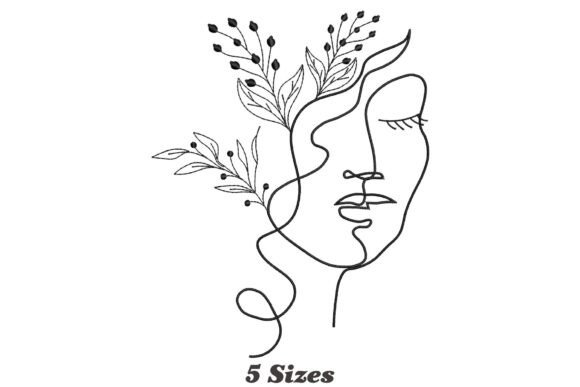
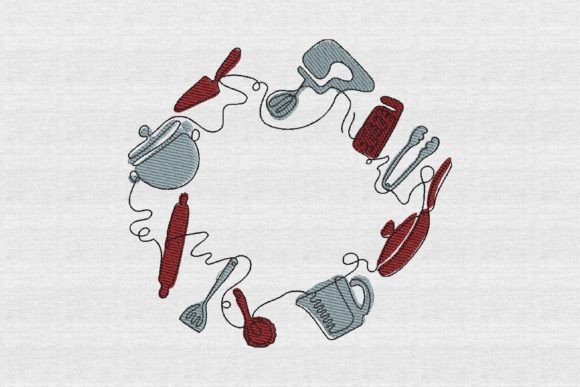
The title Kitchen Sketch Line Art immediately suggests a specific aesthetic: minimalist, modern, and perhaps a bit rustic or hand-drawn. Based on the description that this is a "Quick Stitch" design with "light fill" and "no or little underlay," we can infer a design that relies on clean lines rather than heavy, solid blocks of thread. This is a crucial distinction for business owners.
In the current market, there is a strong demand for designs that feel handmade but look professional. Heavy, dense embroidery can sometimes feel dated or overly aggressive on certain garments. A line art approach offers a sophisticated, airy feel. It allows the fabric texture to show through, which adds depth and quality to the finished product. For a boutique bakery, a creative studio, or a local florist, this design feels friendly yet elegant. It strikes a balance between playful and classic, making it versatile enough for various brand identities without shouting for attention.
Real-World Business Applications
So, where does Kitchen Sketch Line Art shine when you are producing goods for your small business? Let’s break down its potential across different product categories.
Branded Patches and Logos
This design is an excellent candidate for embroidered patches. Because it utilizes light fill and minimal underlay, it likely digitizes cleanly without excessive bulk. Small business owners often use patches as a primary logo on work shirts, denim jackets, or backpacks. The line art style translates well to patch borders, allowing for clear definition even when the patch is cut out. If you are creating a set of staff uniforms for a café or a team of artisans, a subtle line art logo on the chest pocket projects professionalism without being overwhelming.
Aprons and Workwear
For bakeries, coffee shops, and craft studios, apron embroidery is a staple. The "Kitchen" aspect of the title makes this particularly relevant. However, because the design is not 100% filled, it will stitch faster and require less thread than a traditional dense logo. This reduces production time and cost per unit, which is vital for margin-conscious entrepreneurs. When placed on the breast area of a canvas or cotton apron, the visible fabric through the stitches creates a textured, artisanal look that customers associate with high-quality, handmade products.
Tote Bags and Retail Merchandise
Etsy sellers and crafters often use tote bags as both functional items and marketing tools. A Kitchen Sketch Line Art design on a canvas tote bag looks incredibly chic. The sparse nature of the embroidery ensures that the bag remains flexible and comfortable to carry. It serves as a walking billboard for your brand identity. When customers see a beautifully executed, non-cluttered design, it subconsciously signals that the brand pays attention to detail. This visual consistency builds customer trust and recognition.
Caps and Headwear
Cap embroidery is notoriously difficult due to the curved surface and limited space. Designs with high stitch density can pucker or distort on caps. Since this design features light fill and minimal underlay, it is less likely to cause fabric distortion. It is an ideal choice for sleeve details or smaller cap fronts where a bold, heavy logo would look out of place. It offers a refined accent that complements the structure of the hat rather than fighting against it.
Strategic Considerations and Limitations
No design is perfect for every application. As a professional reviewer, I must highlight where Kitchen Sketch Line Art requires careful handling to ensure a successful commercial embroidery outcome.
- Small Patch Sizes: Line art relies on thin strokes. If you reduce this design too much for a tiny logo (under 1 inch), the lines may become too fine to stitch accurately or may break during trimming. Always test the minimum viable size before committing to large production runs.
- Fabric Texture and Color: Because the design is not fully filled, the background fabric plays a major role in the final look. On dark, heavily textured fabrics like thick wool or rough burlap, the fine lines might get lost or look uneven. This design works best on smooth, tightly woven fabrics like cotton twill, canvas, or performance polyester blends used in custom apparel.
- Thread Contrast: Ensure you choose thread colors that provide sufficient contrast against your chosen fabric. Light line art on light fabric will disappear, while dark thread on dark fabric may lack definition. Test your thread colors early in the mockup phase.
- Durability and Washing: While the light fill is aesthetically pleasing, ensure the stitching density is sufficient for items that will undergo frequent washing, such as staff aprons or reusable grocery bags. Inspect the spacing during your test run to confirm the stitches won’t pull apart over time.
Impact on Brand Identity and Value
Choosing the right design asset affects more than just the look of the item; it impacts buyer engagement. A well-executed Kitchen Sketch Line Art design elevates the perceived value of your handmade product. It moves the item from "craft fair souvenir" to "premium boutique merchandise." Customers are willing to pay more for items that feel cohesive and thoughtfully designed. By using a design that respects the fabric and maintains visual clarity, you reinforce a brand identity rooted in quality and modern taste.
Furthermore, this design supports a narrative of simplicity and authenticity. In a market saturated with loud, complex graphics, understated line art stands out by offering calm and sophistication. It appeals to consumers who value craftsmanship and subtlety, helping you differentiate your shop from competitors who rely on cluttered, generic designs.
Practical Designer Notes for Production
Before you load this digital embroidery file into your hooper and start mass-producing, follow these essential steps to protect your business and reputation:
- Test in Black and White: Print a black-and-white version of the design first. This helps you evaluate the composition and spacing without the distraction of color. If it doesn’t work in monochrome, it won’t work in thread.
- Check Hoop Size and Stability: Confirm the recommended hoop size for this file. Ensure your stabilizer matches the fabric weight. Even with light fill, improper stabilization can lead to puckering.
- Create a Printable Mockup: Use the design to create a printable mockup for client approval or social media teasers. This allows you to visualize the scale and placement on actual products like totes or hats before investing in materials.
- Verify Commercial Licensing: This is critical. Ensure you have the correct license to use this design for commercial purposes. Selling items embroidered with this design requires permission to redistribute the digital asset in physical form. Do not assume personal use licenses cover merch sales.
- Inspect Thread Colors: Experiment with different thread palettes. Metallic threads might add luxury, while matte cotton threads could enhance the "sketch" aesthetic. Choose based on your target audience.
In conclusion, Kitchen Sketch Line Art is a versatile, professional-grade option for small business owners looking to expand their merchandise lineup. Its lightweight construction and modern aesthetic make it suitable for a wide range of applications, from branded patches to custom apparel. By understanding its strengths and limitations, and by following proper production protocols, you can leverage this design to create high-value products that resonate with your customers and strengthen your brand presence.