I'd Tap That Funny Golf: A Designer's Review for Craft Fairs
As an embroidery designer who spends weekends manning booths at local craft fairs and handmade markets, I have learned one hard truth: customers do not buy files; they buy finished products that evoke emotion. When I first reviewed the I'd Tap That Funny Golf design, my immediate reaction was less about the technical specs and more about its potential to stop a passerby in their tracks. In the world of handmade goods, humor is a powerful hook. It creates an instant connection between the maker and the buyer. This review breaks down exactly why this specific machine embroidery design deserves a spot on your production table, how it performs across various product types, and what practical considerations you must keep in mind before you start stitching.
First Impressions and Visual Appeal
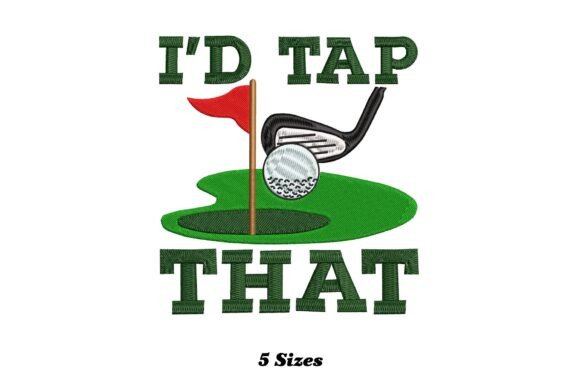
The title alone suggests a playful, slightly cheeky personality. For a craft fair seller, this is gold. We are competing against mass-produced items from big-box stores, so our advantage lies in personality and uniqueness. I'd Tap That Funny Golf feels bold and modern, leaning into a witty, conversational aesthetic rather than traditional elegance or rustic farmhouse styles. It is designed to be seen. When a customer walks up to your booth, they are scanning for color, texture, and text. A design with a humorous phrase like this invites interaction. It prompts questions. It makes people smile. That smile is often the precursor to a sale.
In terms of visual balance, this design likely relies on strong typography and perhaps a simple graphic element to support the punchline. From a designer’s perspective, clarity is king. If the text is too intricate or the lettering is too thin, the message gets lost, especially when viewed from three feet away across a crowded aisle. Assuming the design maintains legibility, it offers a high-impact focal point that can anchor a display table effectively.
Product Versatility: Where It Sells Best
One of the biggest challenges for small shop owners and Etsy sellers is deciding which base products to carry. You want items that are easy to source, easy to embroider, and have broad appeal. I'd Tap That Funny Golf is highly versatile, making it an excellent candidate for a multi-product strategy. Here is how it translates to different craft fair staples:
- Tote Bags and Market Bags: This is arguably the strongest application. A canvas tote bag provides a large, flat surface area that allows the design to breathe. Whether placed on the front center or offset to the side, the humorous text becomes a statement piece. These are impulse buys for shoppers heading to the market or running errands.
- Aprons and Kitchen Towels: Golfers love their kitchens as much as their courses. An apron featuring this design adds a layer of personality to cooking or grilling. Similarly, a tea towel embroidery project using this file can serve as a fantastic giftable item. The soft fabric texture of cotton towels complements the thread work beautifully, creating a tactile experience for the buyer.
- Caps and Hats: Embroidered patches or direct-to-garment caps are perennial best-sellers. However, curving text around a cap requires careful attention to hoop size and stabilizer choice. If the design scales well, it can look incredibly professional on a structured baseball cap, appealing directly to the sports enthusiast demographic.
- Pillow Covers and Home Decor: For buyers looking for unique home accents, a throw pillow with this design adds a fun touch to a living room or game room. It elevates the perceived value of a simple pillowcase, turning it into a decorative art piece.
- Fabric Pouches and Small Goods: Smaller items like pencil cases or makeup bags allow for lower price points, which can help close sales when customers are hesitant to spend more. These smaller small shop product options are great for clearing inventory and increasing average order value through bundling.
Production Practicalities and Quality Control
Before you commit to a full run of I'd Tap That Funny Golf, you must evaluate its production viability. As a professional, I always test designs on scrap fabric before hitting the production line. Here are the critical factors to consider:
Stitch Density and Detail: Examine the stitch density closely. If the design contains tiny details or very fine lines, these may become muddy or lose definition, especially if you are using lower-quality threads or stitching on textured fabrics like heavy denim or terry cloth. For crisp results, ensure your thread colors provide sufficient contrast against your fabric. Dark fabrics may require a cut-away stabilizer and potentially a backing layer to prevent show-through, while light fabrics offer more flexibility.
Spacing and Hoop Size: Confirm the recommended hoop size for the design. Some designs look great in a large hoop but shrink uncomfortably small in a mini hoop. If you plan to sell embroidered patches, check if the design includes a satin border or if you need to add one during digitizing. Proper spacing is essential to avoid thread breaks and ensure the final finished product looks polished.
Fabric Texture Considerations: Remember that fabric texture affects the final look. On a smooth cotton canvas, the design will appear sharp. On a ribbed knit or a nubby linen, the stitches may sink in slightly, altering the visual impact. Always create at least one real mockup on your actual selling material to verify the aesthetic matches your vision.
Selling Strategy and Booth Display
How you present I'd Tap That Funny Golf can make or break your sales. For your booth display, group similar items together to create a cohesive story. Hang the tote bags prominently at eye level, as they are the easiest to grab. Use a mannequin or stand to display the apron or cap, allowing customers to see how the design interacts with the shape of the garment.
Photography is equally important for your online presence. If you are listing these items on Etsy or your own website, ensure your printable mockup or actual photos highlight the humor. Good lighting should capture the sheen of the threads and the quality of the stitch work. High-quality images build trust and justify premium pricing. Show the product in use—someone wearing the hat or holding the tote—to help customers visualize themselves owning the item.
Final Designer Notes
To maximize the success of this commercial embroidery asset, follow these best practices:
- Test First: Never assume a design will work perfectly. Run a test stitch on your exact fabric and stabilizer combination.
- Check Licensing: Before selling any finished products, confirm the commercial licensing terms of the digital embroidery file. Ensure you are permitted to sell physical goods made from the design.
- Quality Materials: Use high-quality threads and appropriate stabilizers. Cheap materials will undermine even the best design.
- Brand Consistency: Keep your labeling and packaging consistent. A branded tag on a tote bag reinforces your identity as a serious maker.
In conclusion, I'd Tap That Funny Golf is a strong contender for any crafter looking to add a hit of humor to their inventory. Its versatility across totes, apparel, and home decor makes it a practical investment. By paying attention to production details and presenting it with care, you can turn this simple design into a standout seller at your next craft fair or online store.