Gimmie a Lil Squeeze: A Designer’s Review of This Summer Fruit Embroidery Design
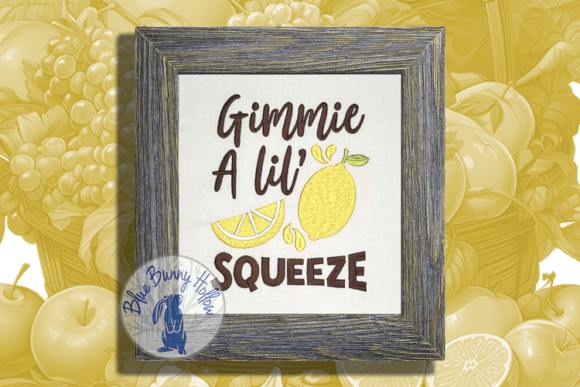
When I’m scouting for new machine embroidery design assets to add to my library, I look for more than just technical accuracy. I look for personality. I look for designs that have the potential to turn a simple piece of fabric into a conversation starter. Recently, I’ve been evaluating a file titled Gimmie a Lil Squeeze, and it immediately caught my eye. It is described as a delightful summer fruit embroidery design, perfect for adding a splash of vibrant, sweet charm to your kitchen and dining essentials. As someone who frequently creates custom apparel and handmade products for small business owners and Etsy sellers, I wanted to put this embroidery project through its paces in my mind—and on the hoop—to see if it holds up in real-world application.
The First Impression: Mood and Visual Personality
The name alone sets a playful tone. "Gimmie a Lil Squeeze" suggests interactivity and warmth, which is crucial for personalized gift items. Visually, the design captures the essence of summer’s bounty without feeling cluttered. In my experience, fruit motifs can easily become overly busy or lose their shape if the stitch density isn’t managed well. However, from what I can discern in the preview files, this design strikes a balance between detail and readability.
The visual personality here is casual yet polished. It doesn’t scream "high fashion," nor does it feel like a basic clip-art stamp. Instead, it feels like a boutique brand asset. For an Etsy seller looking to create small shop product lines, this kind of approachable aesthetic is gold. It invites the buyer to imagine the finished item on a tote bag, a linen apron, or a cozy sweatshirt. The layout appears open enough to allow for effective lettering integration if you choose to add custom names, making it highly versatile for craft business branding.
Real-World Application: Where Does This Design Shine?
Let’s talk about where Gimmie a Lil Squeeze would actually perform best. I often advise creators to think about the end-user before they even digitize or purchase a file. Who is buying this? Who is wearing it?
- Kitchen and Dining Essentials: As the description suggests, this is a natural fit for tea towels, kitchen aprons, and napkins. The summer fruit theme aligns perfectly with home decor trends that favor fresh, organic vibes. For a digital product seller, creating printable mockups of this design on linen textures could drive significant engagement.
- Custom Apparel and Sweatshirts: Imagine this embroidered on the chest of a cream-colored crewneck sweatshirt or centered on the back of a lightweight t-shirt. The bright colors of the fruit would pop against neutral backgrounds, creating a high-contrast, professional look. It works exceptionally well for spring and summer collections.
- Baby and Nursery Items: Soft fabrics and gentle themes are key here. If the design utilizes smooth satin stitch areas rather than overly dense fill stitches, it could be adorable on baby onesies, burp cloths, or nursery wall art. Parents love items that feel personal and seasonally appropriate.
- Tote Bag Design: Canvas totes are a staple for commercial embroidery. A single placement of this fruit motif, perhaps accompanied by a simple script font, creates a cohesive brand identity. It’s sturdy, practical, and visually appealing.
Technical Considerations and Stitch Clarity
As a reviewer, I cannot stress enough the importance of checking the underlying structure of any embroidery file. While I don’t have the exact stitch count or specific hoop size limitations provided in the initial brief, any serious designer knows that these details dictate success. Here is how I would approach testing Gimmie a Lil Squeeze:
- Stitch Density Check: Fruit designs often require fill stitch to give the shapes volume. You need to ensure the density isn’t so high that the fabric puckers, especially if you are working with thin cotton or delicate blends. Conversely, if the density is too low, the design may look sparse and unprofessional.
- Thread Colors and Contrast: The vibrancy of the final finished product relies heavily on thread selection. I recommend testing this design with high-quality polyester threads to ensure the colors remain true after washing. Always inspect the design in black-and-white mockups to check for tonal clashes between different elements.
- Detail Inspection: Zoom in on the smaller details. Are there tiny running stitch accents that might fray over time? Are the curves smooth, or do they appear jagged due to poor digitizing? Clear edges are essential for maintaining customer trust in your handmade goods.
Where to Use Carefully: Potential Pitfalls
No design is universally perfect, and Gimmie a Lil Squeeze has specific constraints you must respect to avoid costly mistakes. There are certain applications where this design might struggle:
- Small Hoop Sizes: If the design includes intricate text or very fine fruit details, attempting to shrink it down to fit a 4x4 inch hoop might result in lost definition. Test it at various scales before committing to small items like patches or cap fronts.
- Textured and Stretchy Fabrics: Embroidering on heavy denim, fleece, or stretchy jersey requires careful stabilization. Without proper stabilizer support, the stitch density of the fruit shapes could distort the fabric grain, leading to a wavy, amateurish finish.
- Dense Stitch Areas: Avoid placing this design on curved surfaces like baseball caps if the digitized area is large and dense. The curvature can cause stitching errors or make the design uncomfortable to wear. For embroidered patch applications, ensure the backing is stable enough to handle the tension of the machine.
- Frequent Washing: If you are creating items meant for daily use, such as kitchen towels or kids' clothes, consider how the design will hold up. Designs with many thread ends or loose running stitches may snag. Reinforce critical areas if necessary.
Impact on Brand and Customer Engagement
Using a well-executed design like Gimmie a Lil Squeeze does more than just decorate fabric; it communicates value. When customers see a clean, professionally stitched embroidery project, they perceive higher quality. This perception directly impacts your ability to charge premium prices for design assets or physical goods.
For the creative entrepreneur, consistency is key. If this design fits your brand’s color palette and aesthetic, it can become a signature element. Think about how it pairs with other elements. Could you create a series using different fruits? This strategy encourages repeat purchases and builds a recognizable style across your printable mockup listings.
Final Verdict and Next Steps
Gimmie a Lil Squeeze is a charming, versatile addition to any embroiderer’s toolkit. It brings a sense of joy and seasonal freshness that resonates with buyers looking for holiday embroidery gifts or summer-themed merchandise. However, its success depends entirely on execution.
Before you start producing for your craft business, I strongly advise you to:
- Test the design on scrap fabric first to evaluate hand-feel and stability.
- Confirm the recommended hoop size and file format compatibility with your machine.
- Review the licensing terms carefully to ensure you are cleared for commercial embroidery sales.
- Experiment with different thread colors to find the combination that best suits your target market.
If you treat this design with the same care and attention to detail that you would any major client project, Gimmie a Lil Squeeze has the potential to be a standout piece in your collection. It’s not just a fruit; it’s an opportunity to connect with customers through the tactile beauty of handmade product craftsmanship.