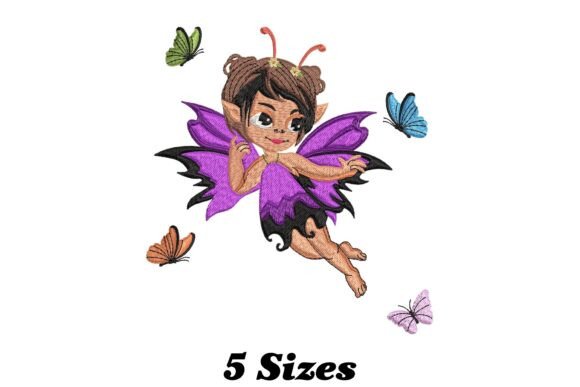
Cute Little Fairy Embroidery Review
As an embroidery designer who spends weekends hunched over my machine and weekdays prepping booths for local craft fairs, I have learned that not every digital file translates into a sellable product. There is a distinct gap between a design that looks pretty on a computer screen and one that stops a browser in their tracks at a market table. Today, I am reviewing the Cute Little Fairy machine embroidery design to determine if it has the commercial viability required for handmade markets, Etsy shops, and boutique collections.
First Impressions and Visual Appeal
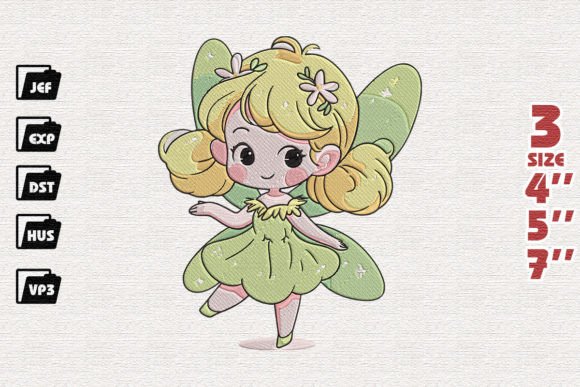
The title Cute Little Fairy suggests a soft, whimsical aesthetic rather than a bold or modern graphic. In the world of handmade products, "cute" is a powerful keyword, particularly when targeting parents, young girls, and those who appreciate fairy tale themes. My initial assessment is that this design likely leans toward the decorative and sweet side of the spectrum. It feels less like a statement piece and more like a charming accent that adds personality to everyday items.
For a craft fair booth, visual appeal is everything. Customers often make purchasing decisions within seconds of walking past your table. A design labeled as part of the Fairy Tales category needs to communicate its theme instantly. If the Cute Little Fairy features delicate wings, soft floral accents, or a playful pose, it will resonate strongly with customers looking for gifts, nursery decor, or special occasion apparel. However, if the design relies too heavily on tiny details that disappear from a distance, it may struggle to compete against bolder graphics. The key here is balance: it must be detailed enough to feel premium but simple enough to be recognized quickly.
Product Application and Market Fit
When evaluating a new embroidery file, I always ask: where does this live best? The description mentions girls’ t-shirts, dresses, pillows, bed sets, wall art, gifts, bags, and more. This versatility is a strong selling point for Etsy sellers and small shop owners who want to maximize the utility of a single digital embroidery file.
Apparel and Soft Goods
On girls’ clothing, such as denim jackets, sundresses, or cotton tees, a Cute Little Fairy works exceptionally well as a left-chest logo or a central focal point. For tote bag design applications, this motif adds a touch of magic to canvas bags, making them popular among school-aged children and teens. Similarly, on aprons, this design can elevate a standard kitchen item into a thoughtful gift. An apron embroidery featuring a fairy brings a sense of whimsy to the home, appealing to buyers who value charm in their kitchenware.
Home Decor and Accessories
Pillow covers and bed sets are high-value items where embroidery adds significant perceived worth. A small, well-placed fairy motif on a pillowcase can transform a plain white case into a luxury item. Furthermore, tea towel embroidery is a staple at craft fairs. While many designs are repetitive (like flowers or basic text), a character-based design like a fairy stands out because it tells a story. It also photographs beautifully for online listings, creating an inviting printable mockup that drives clicks.
Patches and Caps
An embroidered patch version of this design could be sold separately for customization. Parents often buy patches to add to backpacks or hats. Additionally, on curved cap surfaces, the design needs to be robust. If the fairy’s elements are too sparse, they might get lost on the curve of a baseball cap. However, if executed correctly, a fairy-themed cap is a trendy item for spring and summer markets.
Production Practicality and Sales Strategy
From a production standpoint, efficiency is money. I look for designs that are repeatable without causing machine errors or excessive trimming time. The Cute Little Fairy must be evaluated for its stitch density. Designs with moderate density tend to run faster and produce cleaner finishes on varied fabrics.
For batch production, consider how this design fits into a collection. Does it pair well with other fairy tale elements? Can it be easily resized for different products without losing clarity? If the design allows for scaling down to a small pouch or up to a large tote, it becomes a versatile asset for your inventory. This flexibility is crucial for commercial embroidery businesses that need to offer multiple price points.
Photography plays a huge role in sales. A fairy design lends itself well to lifestyle photography. Imagine a photo of a child holding a tote bag with the fairy embroidered on it, surrounded by flowers. This imagery creates an emotional connection with the buyer. Ensure your finished product photos highlight the texture of the thread and the quality of the stitching, as these details signal craftsmanship to discerning customers.
Technical Considerations and Careful Use
Before committing to mass production, there are technical hurdles you must clear. Not all machine embroidery design files are created equal. Here are critical checks:
- Stitch Density and Detail: Examine the design for dense stitch areas. If the fairy’s wings are too crowded, the fabric may pucker. Conversely, if the lines are too thin, they may break during washing. Check the stitch density to ensure it matches the fabric type you plan to use.
- Thread Contrast: The choice of thread colors is vital. On light fabrics, pastel threads work well to maintain the soft aesthetic. On darker fabrics, you may need a stabilizer layer or brighter threads to ensure visibility. Always test contrast before finalizing your product line.
- Hoop Size and Placement: Confirm the recommended hoop size. If the design is large, it may require re-hooping or a larger hoop, which increases production time. Smaller designs are easier to manage on curved items like caps or small pouches.
- Stabilizer Selection: Using the right stabilizer is non-negotiable. For lightweight fabrics like t-shirts, a tear-away stabilizer is usually best. For heavier fabrics like tote bags or aprons, a cut-away stabilizer provides better longevity. Incorrect stabilizer choice can lead to puckering or shifting, ruining the handmade product quality.
- Fabric Texture: Be cautious with highly textured fabrics, such as thick towels or nubby weaves. Fine details in the fairy design may get lost in the texture. Stick to smoother fabrics for the best results, or simplify the design if you must use textured materials.
Final Verdict for Craft Fair Sellers
The Cute Little Fairy has strong potential for the handmade market, particularly for sellers targeting families, gift buyers, and fans of whimsical decor. Its versatility across apparel, home goods, and accessories makes it a valuable addition to any design assets library. However, success depends on execution. You must test the design thoroughly, pay attention to thread colors and stabilizer choices, and present it in high-quality photos that highlight its charm.
Remember to check the specific license terms before selling finished products. Ensure you have commercial rights for the embroidery design you are using. By treating this design with professional care and strategic marketing, you can turn a simple digital file into a profitable stream of revenue at your next craft fair or online store. Start with a few sample pieces—a tote bag, a pillow, and a set of tea towels—to gauge customer reaction. If the response is positive, scale up your production. The magic lies not just in the design, but in how well you bring it to life.