Cowboy on Horseback: A Seasonal Embroidery Review
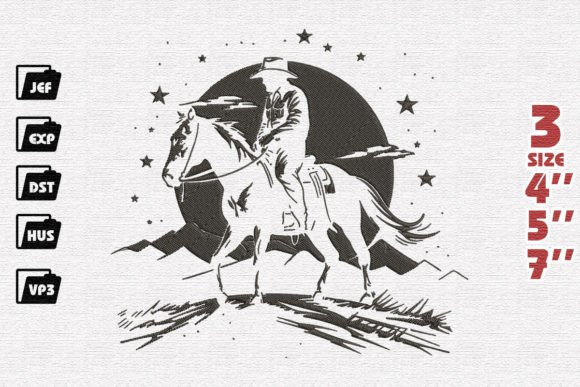
As an experienced embroidery designer, I spend a significant portion of my time evaluating digital files not just for their aesthetic appeal, but for their commercial viability during peak selling seasons. When building a seasonal shop collection for holidays, celebrations, and limited-time product drops, every design must earn its place. Today, I am reviewing the Cowboy on Horseback machine embroidery design to determine if it fits into a curated lineup of festive and whimsical products.
The product description promises to "add a touch of charm" and offers a "fun and whimsical accent." In the world of handmade goods, charm is currency. Whether you are an Etsy seller, a small business owner, or a crafter looking to expand your catalog, understanding how a specific motif translates from screen to fabric is crucial. This review breaks down the practical applications, emotional resonance, and technical considerations of using this cowboy-themed file in your holiday inventory.
First Impressions: Mood and Visual Appeal
When I first loaded the Cowboy on Horseback design onto my hoop, the immediate takeaway was its versatility in tone. It strikes a delicate balance between rustic nostalgia and modern playfulness. For holiday shoppers, who are often seeking gifts that feel both personal and spirited, this design hits several emotional notes simultaneously.
The whimsical nature of the piece makes it suitable for a wide range of audiences. It isn’t overly aggressive or strictly traditional; instead, it feels approachable and cute. This is particularly important when targeting families looking for matching items or children’s apparel. The design evokes a sense of adventure and warmth, which pairs beautifully with autumnal tones for fall holidays and can be adapted for winter themes depending on the thread choices.
From a decorative standpoint, the level of detail appears sufficient to hold interest without becoming cluttered. However, the success of this embroidery file relies heavily on the execution. If the stitch density is too high, the whimsy can be lost in a stiff, plastic-like texture. If it is too low, the image may look sparse and unfinished. As a designer, I look for that sweet spot where the fabric texture enhances the design rather than competing with it.
Real-World Holiday Selling Scenarios
The true test of any design is how it performs in real-world sales situations. Here is how Cowboy on Horseback could integrate into various seasonal product categories:
- Sweatshirt Embroidery: During the colder months, oversized sweatshirts are a staple. Placing this design on the chest or back of a neutral-colored fleece creates a cozy, personalized gift option. It works well for family matching sets, where parents and children can wear coordinated outfits for holiday photos.
- Kitchen Towel Embroidery: For the home decor enthusiast, adding this whimsical accent to linen kitchen towels adds character to a farmhouse-style kitchen. It serves as a great conversation starter and makes for an affordable, impulse-buy item at craft fairs or online marketplaces.
- Tote Bag Design: A canvas tote featuring this design appeals to shoppers looking for practical yet stylish bags for holiday gift-giving. It reinforces the idea of a handmade, thoughtful present rather than a mass-produced item.
- Pillow Cover and Home Decor: Incorporating the design into throw pillows allows customers to bring the theme into their living spaces. This is ideal for creating a cohesive room aesthetic that blends western motifs with comfortable, inviting textures.
- Embroidered Patch: Creating patches from this design allows for maximum flexibility. Customers can attach them to jackets, hats, or backpacks, extending the life and utility of the garment.
- Baby Items and Aprons: The cute factor makes this design suitable for baby onesies or bibs, as well as aprons for baking sessions during the holidays. These items are highly giftable and often purchased by grandparents or friends celebrating new milestones.
In terms of marketing, this design lends itself well to social media previews and printable mockups. The strong visual identity of a cowboy on horseback is instantly recognizable, which aids in brand consistency and customer trust. When potential buyers see a high-quality finished product, they are more likely to convert, knowing that the digital embroidery file delivers on its promise.
Strategic Placement for Maximum Impact
To maximize the seasonal appeal, consider how the design affects buyer emotion. A well-executed handmade gift feels special because of the care put into its creation. By positioning Cowboy on Horseback as a unique, artisanal choice, you elevate the perceived value of the final product. It transforms a simple t-shirt or towel into a keepsake. Furthermore, the design’s adaptability means it can be used for personalized gifts, allowing customers to add names or dates, which significantly boosts engagement during busy shopping periods.
Technical Considerations and Careful Application
While the design has strong commercial potential, there are specific areas where caution is required. As a professional, I cannot stress enough the importance of testing before bulk production.
Small Hoop Sizes and Tiny Lettering: If the design includes text or intricate details that shrink significantly in smaller hoops, they may become illegible or prone to breaking. Always verify the minimum recommended hoop size. If the details are too fine, they may get lost in the weave of the fabric, especially on textured materials like thick towels or denim.
Fabric and Thread Choices: Stitch density is critical. On stretchy garments, such as certain t-shirts or caps, the fabric may pucker if the underlay stitches are not properly calibrated. Dark fabrics require careful selection of thread colors to ensure contrast and visibility. Metallic threads, while attractive for holiday sparkle, can be challenging to work with and may cause breakage if the tension is not adjusted correctly.
Washability and Durability: For items that need repeated washing, such as kitchen linens or baby clothes, the integrity of the embroidery must be maintained. Poorly executed satin stitches or loose backing can lead to fraying. Using the proper stabilizer—cut-away for knits and tear-away for wovens—is non-negotiable for a durable finished product.
Curved Caps and Complex Surfaces: Embroidering on curved surfaces requires specialized techniques. Ensure that the design’s layout accommodates the curvature of the item without distortion. If the design is intended for a cap, check that the angle and placement look natural when worn.
Practical Designer Notes for Success
To ensure that your use of the Cowboy on Horseback design results in happy customers and positive reviews, follow these essential steps:
- Test Thread Colors: Always stitch out test samples on both light and dark fabrics. The way colors interact with different backgrounds can vary dramatically. Choose palettes that complement the seasonal mood, whether that’s warm earth tones for fall or crisp whites and reds for winter.
- Check Stitch Density: Review the stitch count and density settings. If the file seems overly dense, consider adjusting the settings to prevent stiffness. Conversely, if it looks too sparse, reinforce key areas with additional underlay stitches.
- Confirm Hoop Size: Verify that your machine’s hoop size matches the design’s requirements. Working outside the recommended parameters can lead to registration errors or incomplete stitches.
- Use Proper Stabilizer: Select the correct stabilizer for your fabric type. This is the backbone of good embroidery and prevents puckering, stretching, or tearing.
- Create Realistic Mockups: Before listing your products, create realistic mockups that show the design on actual items. This helps customers visualize the final result and reduces return rates due to mismatched expectations.
- Review Small Details: After stitching, inspect the design closely. Look for loose threads, missed jumps, or alignment issues. Correcting these minor problems before shipping ensures a premium quality product.
- Plan Matching Color Palettes: Develop a cohesive color scheme for your collection. This enhances brand consistency and makes your shop look more professional and curated.
- Confirm Commercial Licensing: Finally, always confirm the commercial licensing terms of the digital embroidery file. Ensure you have the right to sell finished products made from the design to avoid legal issues.
By paying attention to these details, you can transform a simple machine embroidery design into a standout seasonal product. The Cowboy on Horseback file offers a charming, versatile foundation for creative expression. With careful planning and execution, it can become a beloved addition to your holiday collection, delighting customers and driving sales for your small business.