Charming Elephant Design Review for Merch
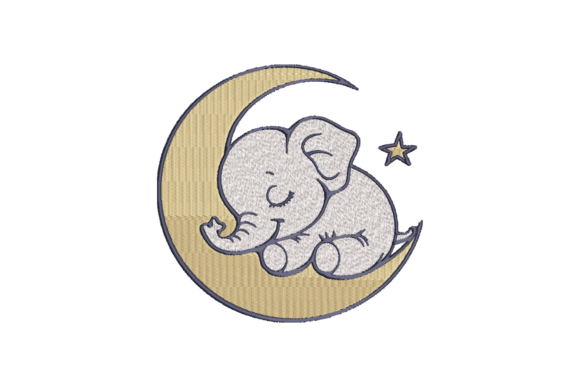
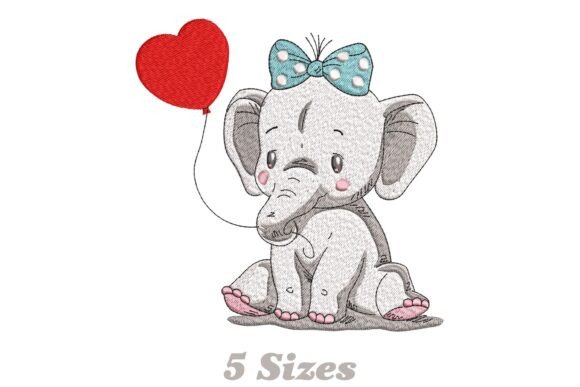
As an embroidery designer who has spent years translating digital concepts into tangible brand assets, I approach every new design file with a mix of creative appreciation and commercial scrutiny. When evaluating a machine embroidery design for small business use, the question is never just "does it look nice?" but rather "does this drive value, recognition, and professionalism?" Today, I am reviewing the Charming Elephant, a design categorized under Baby Animals that promises to add a cheerful and artistic touch to various textiles.
This review focuses on how this specific embroidery file performs in real-world commercial applications, from branded patches to custom apparel, helping you decide if it fits your product line.
First Impressions: Visual Personality and Brand Fit
The title "Charming Elephant" sets a specific tone before the needle even touches the fabric. Based on the description, which highlights character and trendiness, this design leans heavily into a playful yet polished aesthetic. It does not scream corporate rigidity; instead, it whispers approachability and warmth.
For a small business owner, this visual personality is a strategic asset. In a market saturated with minimalist logos or aggressive branding, a design that feels friendly and handmade can cut through the noise. The Charming Elephant suggests a brand identity built on trust, joy, and perhaps a touch of nostalgia. It works exceptionally well for businesses that want to appear premium without being cold. Whether you are running a boutique bakery, a creative studio, or a pet brand, this design offers a versatile emotional hook that resonates with customers looking for connection.
Real-World Business Applications
The true test of any digital embroidery file is its versatility across different merchandise types. Here is how the Charming Elephant holds up in key commercial scenarios:
- Embroidered Patches: This design is an excellent candidate for iron-on or sew-on patches. For small businesses selling accessories, a high-quality patch featuring this motif adds perceived value. It transforms a plain tote bag or denim jacket into a statement piece. The charm factor encourages impulse buys at craft fairs or online shops.
- Staff Uniforms and Aprons: Imagine a local café or florist using this as a chest logo accent on white or navy aprons. It humanizes the staff, making them appear more approachable to customers. Unlike stark corporate logos, this design softens the service experience, aligning with brands that prioritize customer care and handmade presentation.
- Caps and Headwear: Cap embroidery requires precision. If the Charming Elephant scales well, it serves as a memorable mark for event merch or promotional giveaways. A subtle placement on the side or front of a cap can become a walking billboard for your brand, especially if paired with complementary thread colors.
- Tote Bags and Work Shirts: For Etsy sellers and merch creators, tote bags are a staple. This design adds a decorative element that elevates a basic canvas bag into a fashion item. It also works beautifully on work shirts for creative teams, reinforcing team culture while maintaining a professional edge.
- Product Packaging Accents: Don't overlook packaging. Embroidering this motif onto tags attached to handmade products creates a cohesive unboxing experience. It signals attention to detail and enhances buyer engagement by extending the brand presence beyond the primary product.
Strategic Placement and Cautionary Areas
While the design is charming, not every application is created equal. As a designer, I advise careful consideration of where and how this design is deployed to avoid technical failures or diminished brand impact.
Small Patch Sizes: If you plan to produce tiny patches, ensure the design elements do not lose definition. Intricate details may blur when stitched at very small diameters. Always test the minimum viable size to maintain clarity.
Curved Surfaces and Caps: Embroidering on curved surfaces like cap fronts introduces distortion risks. The design must be digitized specifically for curvature, or it may appear stretched or misaligned. Verify that the hoop size and stabilizer choice accommodate the curve without puckering the fabric.
High Stitch Density and Dark Uniforms: Be mindful of stitch density. Excessive density can make the fabric stiff and uncomfortable, particularly on items like t-shirts or lightweight aprons. Additionally, if stitching on dark uniforms, ensure there is sufficient contrast between the thread colors and the base fabric. Without proper underlay or contrasting threads, the design may disappear into the material.
Frequent Washing Items: For items like work shirts or kitchen aprons that undergo frequent laundering, the durability of the embroidery is paramount. Loose threads or poor stabilization can lead to fraying. Ensure the design is anchored securely to withstand industrial or heavy-duty home washing cycles.
Impact on Brand Identity and Customer Trust
Every embroidered piece is a physical representation of your brand promise. Using the Charming Elephant design affects several key metrics:
- Professionalism: A clean, well-executed embroidery job signals quality. It shows customers that you invest in durable, long-lasting products rather than cheap prints that fade after one wash.
- Visual Consistency: Incorporating this design into a broader suite of design assets helps create a recognizable visual language. If used alongside other playful yet refined elements, it reinforces a cohesive brand story.
- Customer Recognition: Unique motifs stand out. Over time, customers will associate the charm of the elephant with your business values, fostering loyalty and repeat purchases.
- Product Value: Handmade and embroidered goods often command higher price points. The tactile nature of embroidery adds sensory appeal, justifying premium pricing for custom apparel and handmade products.
Practical Designer Notes for Production
Before committing to large-scale production, follow these essential steps to ensure success:
- Test in Black and White: Convert the design to monochrome to check contrast and balance. This reveals structural issues that color might hide.
- Check Small Scale Legibility: Simulate the design at its smallest intended size. Can the key features still be identified? If not, simplify or resize.
- Review Thread Color Contrast: Select thread colors that pop against your target fabric. Test multiple combinations to find the optimal visual impact.
- Inspect Spacing and Hoop Size: Ensure the design fits within your standard hoop sizes and that spacing allows for proper stitching without crowding.
- Test on Real Fabric: Never assume digital previews match reality. Stitch the design on the actual fabric type you plan to use. Observe how the fabric texture interacts with the stitches.
- Use Proper Stabilizer: Choose the right stabilizer (cut-away, tear-away, or water-soluble) based on the fabric weight and stretch. This prevents puckering and ensures longevity.
- Create a Printable Mockup: Before producing physical samples, generate a high-quality printable mockup for client approval or marketing materials. This saves time and resources.
- Compare Against Other Assets: Place the design beside your existing logo or other graphics to ensure they complement each other visually.
- Confirm Commercial Licensing: Most importantly, verify that you have the correct rights to use this commercial embroidery file for resale. Check all license terms to avoid legal issues.
The Charming Elephant design offers a delightful blend of artistry and utility. By approaching it with a strategic mindset—testing thoroughly, considering brand alignment, and respecting technical limitations—you can transform this simple motif into a powerful tool for building your small business’s identity. Whether you are decorating aprons, creating caps, or enhancing tote bags, this design has the potential to elevate your merchandise and delight your customers.