Bee Outline Embroidery Review
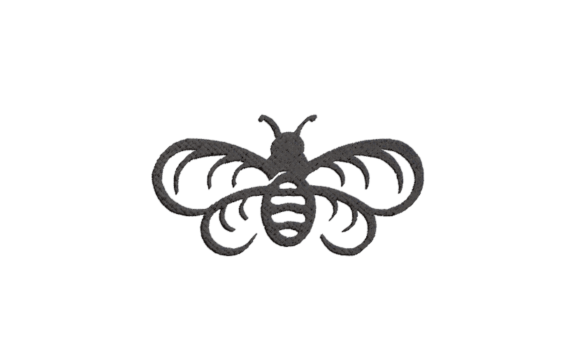
As an embroidery designer who spends countless hours evaluating digital files for seasonal collections, I approach every new addition to my library with a critical eye. The goal is not just to create something that looks good on a screen, but to produce a machine embroidery design that translates beautifully into a tangible, sellable product. Today, I am reviewing the Bee Outline, a charming silhouette that promises to bring a touch of nature and whimsy to your upcoming holiday and seasonal inventory.
First Impressions: Mood and Aesthetic
When I first loaded the Bee Outline file into my hoop simulation software, the immediate feeling was one of cozy nostalgia. This isn’t a hyper-realistic depiction of a bee; rather, it is a stylized silhouette that leans heavily into modern rustic aesthetics. For the Etsy seller or small shop product creator, this distinction is vital. It allows the design to fit seamlessly into broader themes such as "Farmhouse Christmas," "Spring Garden Party," or "Eco-Friendly Holidays."
The emotional tone of the Bee Outline is playful yet elegant. Bees are universally recognized symbols of hard work, community, and sweetness—traits that resonate deeply during the gift-giving season. Whether you are targeting customers looking for personalized gifts for teachers or unique home decor for their kitchens, this design strikes a balance between cute and sophisticated. It avoids being overly childish, making it appealing to adult crafters who want to display their love for nature in their homes.
Seasonal Versatility in Product Applications
One of the strongest selling points of the Bee Outline is its adaptability across various product categories. During the holiday rush, versatility means higher potential sales. Here is how this embroidery file performs on key items:
- Kitchen Towel Embroidery: This is perhaps the most natural fit. A single bee outline centered on a linen kitchen towel evokes a warm, inviting farmhouse vibe. It pairs exceptionally well with floral borders or simple text like "Sweet Home" for a complete look.
- Sweatshirt Embroidery: For fall and winter apparel, the Bee Outline works beautifully on chest pockets or centered on the back of organic cotton sweatshirts. The clean lines of the silhouette ensure it remains legible even when stitched on thicker fabrics.
- Tote Bag Design: Canvas totes are staples at craft fairs and holiday markets. Using the Bee Outline here creates a reusable shopping bag that doubles as a promotional tool. It suggests sustainability and charm, aligning with the values of many conscious consumers.
- Pillow Cover: Adding this design to throw pillows can instantly update a living room for the holidays. It serves as a subtle nod to the season without overwhelming the space with traditional reds and greens.
- Embroidered Patch: The clean edges of the silhouette make it an excellent candidate for iron-on patches. These are popular additions to denim jackets, backpacks, and hats, offering a trendy way to incorporate the Bugs category into fashion.
Real-World Selling Scenarios
Imagine building a limited-edition holiday collection. The Bee Outline can be the anchor piece that ties disparate items together. Consider a "Bee Kind" holiday bundle: a set of matching family pajamas, a set of kitchen towels, and a decorative pillow. The consistent use of this digital embroidery file creates brand consistency and visual recognition, which builds customer trust.
In terms of marketing, this design is highly photogenic. Social media previews featuring the Bee Outline on textured fabrics like burlap, flannel, or soft fleece tend to perform well because the contrast highlights the stitch quality. When creating a printable mockup for your online store, ensure you show the design in context. Show it on a mug, a tote, and a shirt simultaneously to help buyers visualize the potential of their purchase.
Furthermore, the Bee Outline fits perfectly into the trend of personalized gifts. Buyers often seek unique items for grandparents, neighbors, or coworkers. A monogrammed bee design adds a personal touch that mass-produced items cannot replicate. This elevates the perceived value of your handmade gift, allowing you to command a premium price point.
Strategic Use Cases for Holiday Drops
- Gift Bundles: Combine the Bee Outline with complementary designs (like honeycombs or flowers) to create themed bundles. This increases average order value.
- Craft Fair Displays: Use large-scale versions of the design on aprons or table linens to draw attention to your booth. The recognizable shape stops shoppers in their tracks.
- Family Matching Items: Create a line of matching outfits for photos. The simplicity of the outline ensures that it looks cohesive across different sizes and garment types.
Technical Considerations and Careful Application
While the Bee Outline is versatile, there are specific scenarios where caution is required. As a professional, I always advise testing before production. Here are areas where you should be careful:
- Small Hoop Sizes: If you attempt to stitch this design in a very small hoop, the details may become muddy. Ensure the stitch density is appropriate for the size. If the bee is too small, the silhouette may lose its definition.
- Thick Towels and Fabrics: On heavy terry cloth or thick denim, the needle penetration must be sufficient. Use a sharp needle and consider a cut-away stabilizer to prevent puckering. The fabric texture can sometimes obscure fine lines if the tension is not adjusted correctly.
- Dark Fabric and Thread Colors: To maintain the clean look of the silhouette, thread choice is critical. On dark fabrics, a metallic thread or a bright contrasting color can make the bee pop. However, avoid using light threads on dark backgrounds unless you are doing a dense satin stitch that covers the fabric completely.
- Stretchy Garments: When embroidering on knitwear or stretchy leggings, proper hooping technique is essential to prevent distortion. The Bee Outline is relatively stable, but any shift in the fabric will ruin the symmetry.
- Curved Caps: While possible, stitching a flat silhouette on a curved surface requires specialized capsizing techniques. For beginners, stick to flat surfaces like bags and towels.
Designer’s Checklist for Success
To ensure your seasonal products stand out, follow these practical steps before launching your collection:
- Test Thread Colors: Always stitch a sample on both light and dark fabric. Check how the thread interacts with the material under different lighting conditions.
- Check Stitch Density: Review the file settings. If the design is too sparse, it may look unfinished. If it is too dense, it may become stiff and uncomfortable to wear.
- Confirm Hoop Size: Verify that the design dimensions fit your standard hoops. This affects your ability to produce items efficiently.
- Use Proper Stabilizer: Match the stabilizer to the fabric weight. A lightweight tear-away might suffice for cotton shirts, but a heavy-duty cut-away is needed for towels.
- Create Realistic Mockups: Before listing your products, generate high-quality images. Show the texture of the thread and the drape of the fabric.
- Review Small Details: Zoom in on your test stitches. Are there any loose threads? Is the shape accurate?
- Plan Color Palettes: Align your thread colors with current holiday trends. Earth tones, golds, and deep greens work well with the bee motif.
- Commercial Licensing: Finally, confirm your commercial licensing rights. Ensure you are allowed to sell finished products made from this commercial embroidery file.
The Bee Outline is more than just a bug design; it is a versatile tool for creating meaningful, beautiful products. By understanding its strengths and respecting its technical limitations, you can integrate it into your seasonal lineup with confidence. Whether you are a seasoned pro or just starting out, this design offers a wonderful opportunity to connect with customers through the universal language of handmade craft.