Always Dream Big Embroidery Review
As a designer who spends more time looking at stitch lines than actual fabric, I approach every new embroidery file with a healthy dose of skepticism. The market is flooded with generic text-based designs that look fine on a screen but fall apart under the needle. However, when I pulled up the Always Dream Big design from the Friends Quotes category, I immediately recognized it as something with genuine potential for real-world application. It isn’t just another motivational quote slapped onto a digital canvas; it has a structural integrity and visual personality that suggests it was built with the limitations of machine embroidery in mind.
First Impressions: Mood and Visual Weight
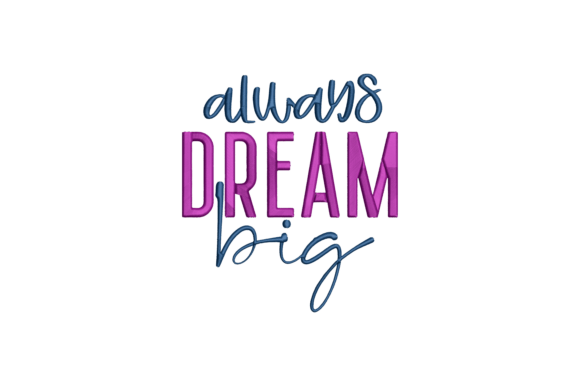
The moment you load the Always Dream Big design into your digitizing software, the layout speaks for itself. The typography feels balanced, avoiding the cramped feeling that often plagues small text designs. For a designer, this is crucial because it dictates how the piece will sit on a garment or accessory. The mood is uplifting without being childish, which makes it surprisingly versatile. It bridges the gap between a serious statement piece and a lighthearted gift item.
In terms of detail level, the design strikes a pragmatic balance. It avoids over-engineering the letterforms, which means fewer thread breaks and less risk of puckering during high-speed stitching. This isn’t an intricate portrait or a complex landscape; it is a clean, bold typographic statement. That simplicity is its greatest strength. When evaluating a machine embroidery design for commercial use, I always ask: "Will this hold up after ten washes?" With the straightforward nature of Always Dream Big, the answer is likely yes. The visual weight is distributed evenly, ensuring that the design doesn’t feel top-heavy or bottom-heavy once stitched.
Real-World Application: From Sketch to Stitch
I recently put Always Dream Big through its paces while preparing a batch of custom tote bags for a local craft fair. The goal was to create a handmade product that felt premium but could be produced efficiently. Here is how the design performed in various scenarios:
- Tote Bags and Canvas Totes: This is perhaps the most natural home for this design. Placed centrally on a heavy cotton canvas, the letters pop against the texture of the fabric. It works exceptionally well as a tote bag design because the message is legible from a distance, making it effective for brand visibility if used by an Etsy seller or boutique owner.
- Sweatshirt Embroidery: I tested the design on a heavyweight fleece sweatshirt. The contrast between the soft nap of the fabric and the smooth threads created a beautiful tactile experience. It feels cozy and inviting, perfect for personalized gifts or holiday merchandise. The design’s size allowed for a generous placement without overwhelming the chest area.
- Baby Embroidery Items: On softer, thinner fabrics like muslin or baby jersey, the design retains its charm. It is gentle enough for nursery decor or baby blankets but clear enough to be read easily. This makes it a strong candidate for custom apparel targeting new parents who appreciate subtle, meaningful details.
- Applique and Patch Potential: While primarily a text-based design, the clean edges of the letters make it suitable for appliqué techniques. You could layer a contrasting fabric behind the text to add depth, turning a simple quote into a sophisticated embroidered patch.
Strategic Considerations and Limitations
No design is perfect for every surface, and honest evaluation requires acknowledging where Always Dream Big might struggle. As an experienced reviewer, I want to save you from costly mistakes before you commit to a production run.
Fabric Texture Matters: If you are working with highly textured fabrics like bouclé or thick chenille, the fine details of the letters may get lost. The design relies on clarity, so smooth-to-medium weight fabrics yield the best results. Similarly, stretchy knits require careful hooping and proper stabilizer usage to prevent distortion. Without adequate support, the tension can pull the letters out of shape, ruining the professional finish.
Small Hoop Constraints: While the design is compact, attempting to fit it into a very small hoop (under 4x4 inches) might compromise readability. The spacing between letters needs room to breathe. If you are designing for tiny items like wristbands or small caps, test the scaling carefully. In some cases, reducing the size too much can merge the strokes of certain letters, creating a muddy appearance rather than crisp text.
Dense Stitch Areas: Although the design is not overly dense, any area where fill stitches meet satin stitches requires attention. Ensure your stabilizer matches the fabric weight. A tear-away stabilizer might work for woven cottons, but a cut-away is safer for garments that will undergo frequent washing. This is especially important for commercial embroidery projects where durability is paramount.
Impact on Product Value and Branding
For entrepreneurs, the difference between a good design and a great one often comes down to perceived value. Always Dream Big elevates a basic item. A plain t-shirt becomes a statement piece; a standard pillow cover becomes a thoughtful gift. This psychological boost is what drives customer trust and engagement. When buyers see a well-executed finished product, they assume higher quality, even if the base material is simple.
Furthermore, the design’s versatility supports brand consistency. Whether you are selling holiday embroidery kits, wedding favors, or corporate gifts, the neutral yet inspiring message fits seamlessly into various branding palettes. It does not clash with specific themes, allowing you to change thread colors to match seasonal trends without changing the core asset. This adaptability is invaluable for digital product sellers who need to offer fresh looks without constant new purchases.
Practical Designer Notes for Success
Before you hit the start button on your machine, keep these practical tips in mind to ensure the best outcome with Always Dream Big:
- Test on Scrap Fabric: Always run a test stitch on the exact fabric you plan to use. This helps you adjust thread tension and confirm that the stitch density is appropriate.
- Check Thread Color Contrast: The design’s impact relies heavily on legibility. High contrast between the thread and fabric is essential. Avoid low-contrast combinations like light gray thread on white fabric unless you are aiming for a very subtle, tonal effect.
- Review in Black and White: Convert your mockup to black and white to check for visual balance. Sometimes colors can mask poor spacing or uneven weight distribution.
- Inspect Small Details: Zoom in on the corners of the letters. Ensure there are no unnecessary jump stitches or loose ends that could snag during wear.
- Confirm Licensing: If you intend to sell finished goods, verify the license terms associated with the digital embroidery file. Some designs are for personal use only, while others allow commercial sales. Clarity here protects your business.
Ultimately, Always Dream Big is a reliable, aesthetically pleasing addition to any embroiderer’s library. It respects the medium, performs well across multiple fabric types, and delivers a message that resonates with customers. For designers looking to expand their catalog of small shop products or enhance their craft business offerings, this design offers a solid foundation for creating profitable, high-quality embroidered items.